How to Clean Electric Hot Water Pot
Sep 27,2024 | Bobbi
Understanding Your Electric Hot Pot
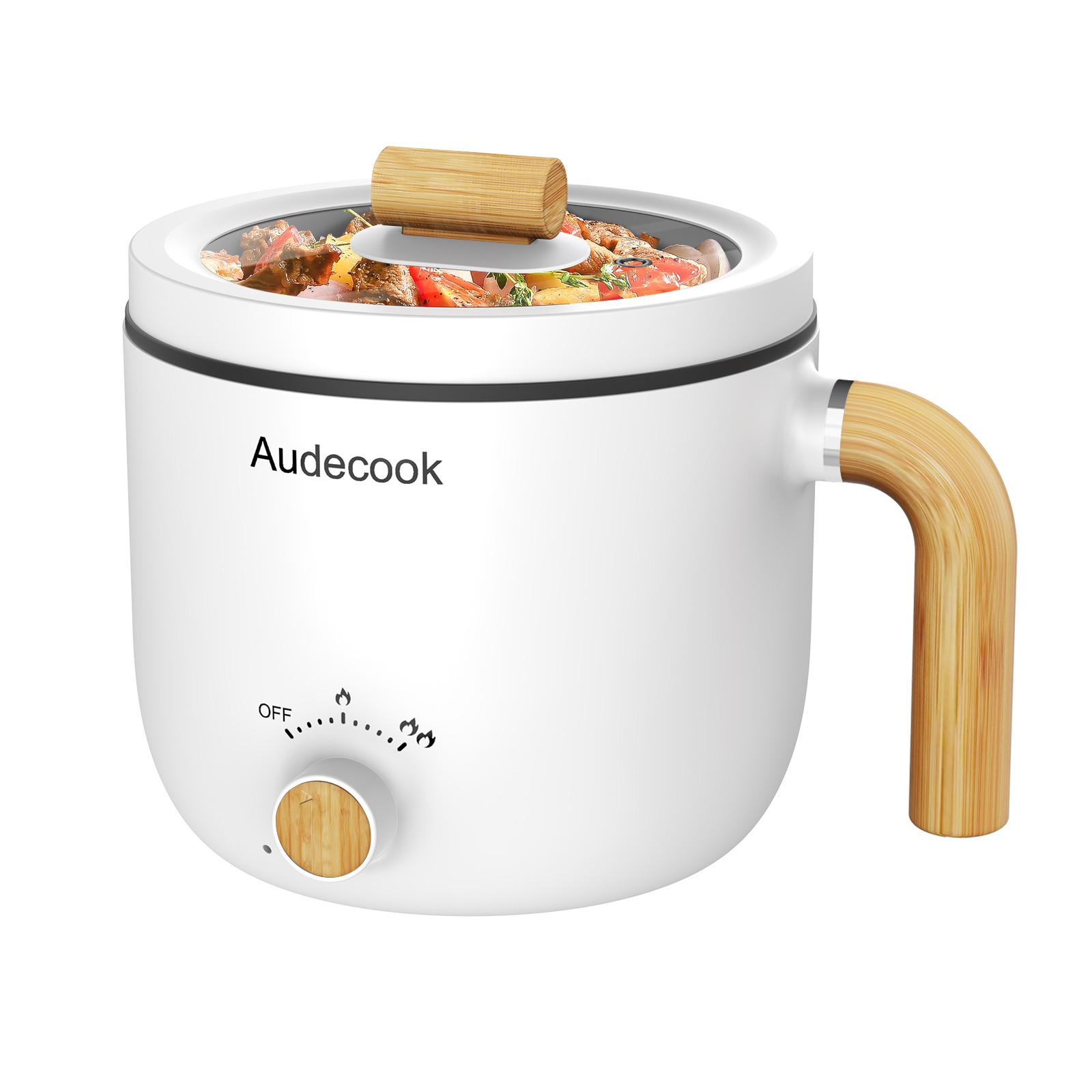
An electric hot pot is a versatile kitchen appliance used for boiling water, preparing soups, or making hot pot meals. Whether you have a simple electric hot pot cooker or a more advanced model, keeping it clean ensures it works efficiently and lasts longer. Regular cleaning not only enhances the taste of food but also prevents any unwanted buildup of residue or scale that can affect the taste of your dishes.
Why Is It Important to Clean Your Electric Hot Pot?
Using an electric hot pot for cooking and boiling water leaves mineral deposits, grease, and food particles behind. If left uncleaned, these deposits can build up, leading to:
- Poor performance: Limescale or food residue can reduce the efficiency of your electric hot pot cooker.
- Shorter lifespan: A dirty pot may malfunction or overheat, reducing the life expectancy of your appliance.
- Unwanted odors and flavors: Old food particles or scale can leave an unpleasant taste in your hot pot meals.
Materials You Will Need
- Soft cloth or sponge
- Baking soda
- White vinegar
- Dish soap
- Lemon (optional for odor removal)
- Soft-bristle brush
Step-by-Step Guide: How to Clean Electric Hot Water Pot
1. Unplug the Hot Pot
Always start by unplugging your electric hot pot to avoid accidents. Make sure it has completely cooled before cleaning.
2. Disassemble if Possible
Some electric hot pot cookers come with detachable parts. Remove the lid, inner pot, or any other components for a thorough cleaning.
3. Clean the Interior
- Fill the electric hot pot with equal parts of white vinegar and water.
- Let it boil for about 10 minutes to loosen any mineral buildup.
- Once the mixture cools, use a sponge or cloth to scrub away any remaining residue.
4. Scrub the Exterior
Use a damp cloth with a small amount of dish soap to clean the outer surface of the hot pot pot electric. Avoid soaking the electric components, and never submerge the entire pot in water.
5. Remove Stubborn Stains
For tough stains or residue, mix baking soda with a bit of water to create a paste. Apply this paste to the stained areas of your electric hot pot cooker, let it sit for 10 minutes, and then scrub gently with a sponge or soft-bristle brush.
6. Clean the Heating Element
Wipe the heating element carefully using a damp cloth. If there's any stuck-on residue, use a soft brush, but never immerse the base in water or use harsh chemicals.
7. Rinse Thoroughly
Once you've scrubbed both the inside and outside, rinse the electric hot pot with clean water. Make sure all soap and vinegar are fully washed away to prevent any lingering tastes in your food.
8. Dry Completely
After rinsing, dry all parts thoroughly with a soft cloth. Reassemble the parts only when they are completely dry to avoid electrical hazards.
9. Polish and Deodorize
For added shine and to eliminate any remaining odors, you can rub the inside of your hot pot pot electric with a slice of lemon or a few drops of lemon juice. This not only freshens up the pot but also adds a natural shine.
When it comes to keeping your electric hot pot in tip-top shape, it's important to adopt a cleaning routine that suits your usage. For frequent users of the hot pot pot electric, especially when using it to cook broths or stews, cleaning after every use is ideal. This prevents food residue and grease from hardening inside the pot.
One lesser-known tip for cleaning your electric hot pot cooker involves using rice water. After rinsing your rice, save the cloudy water and bring it to a boil in the pot. This technique helps to lift stubborn food particles and grease without using harsh chemicals. The starch in the rice water acts as a gentle abrasive, which loosens the dirt naturally.
To keep the exterior of your electric hot pot looking brand new, avoid using abrasive cleaners that may scratch the surface. Instead, opt for a microfiber cloth, which is effective in lifting dirt without leaving streaks.
Lastly, for homes with hard water, consider using filtered water when boiling in your electric hot pot. This can reduce the formation of limescale, making it easier to clean over time.
Regular maintenance will not only preserve the appearance of your electric hot pot but also ensure it functions effectively for years to come. Don’t wait until there's a noticeable build-up of grime—consistent upkeep will make cleaning easier and keep your meals tasting great.
Q&A
Q1: Can I clean my electric hot pot with lemon juice?
Yes! Lemon juice is a natural cleaner and deodorizer. You can boil a solution of lemon juice and water to remove stains and freshen up the pot.
Q2: How often should I clean my electric hot pot?
It's best to clean your electric hot pot after every use, especially if you're cooking with oils, broths, or other foods. For water boiling, a weekly clean will suffice.
Q3: What should I do if my electric hot pot has a burnt smell?
If your electric hot pot cooker has a burnt smell, fill it with vinegar and water, then boil. Let it cool before scrubbing. Lemon juice can also help neutralize lingering odors.
Q4: Is it safe to submerge the entire electric hot pot in water?
No. The base of the electric hot pot contains electrical components and should never be submerged in water. Only clean the inner pot and detachable parts in water.
Q5: Can I use baking soda to remove tough stains?
Absolutely. Baking soda is a mild abrasive that is great for removing stubborn food stains without damaging your electric hot pot cooker.
Maintaining a clean electric hot pot is essential for safe cooking, better tasting meals, and long-term use of your appliance. Whether you're boiling water or preparing a hot pot meal, regular cleaning keeps your electric hot pot cooker efficient and free from harmful buildup. Follow these steps, and your hot pot pot electric will remain a reliable kitchen companion for years to come.
Comment